

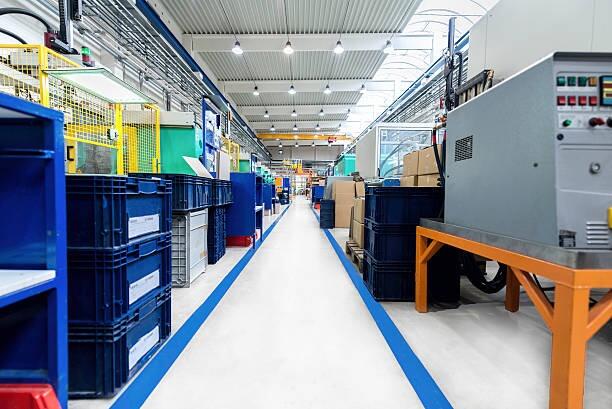
Industrial environments require flooring that can survive constant pressure, heavy equipment movement, and continuous foot traffic. Choosing the right flooring material improves safety, reduces maintenance expenses, and increases operational efficiency. Many industries now prefer advanced flooring systems because they provide long-term durability in demanding workspaces.
Warehouses, factories, and logistics centers often face challenges caused by abrasion, moisture, chemical spills, and machine vibrations. A durable flooring surface becomes essential for maintaining productivity and preventing operational interruptions. Businesses that invest in reliable flooring systems experience fewer repairs and lower downtime.
The demand for high traffic flooring industrial applications has increased as industries expand automation and warehouse operations. Modern flooring systems are engineered to support forklifts, pallet jacks, and industrial machinery while maintaining surface stability over time.
Importance of Durable Industrial Flooring
Industrial flooring plays a major role in workplace safety and performance. Cracked or uneven floors can create hazards that affect workers and machinery. Durable flooring materials help create smoother operations and improve transportation within industrial spaces.
Concrete coatings, epoxy surfaces, and polyurethane systems are among the most preferred flooring options in manufacturing facilities. These materials resist wear and provide excellent load-bearing capabilities. In large distribution centers, flooring durability directly impacts workflow efficiency and inventory handling.
Many businesses now adopt high traffic warehouse floor systems to improve resistance against impact and constant movement. These systems help facilities maintain a professional appearance while supporting daily industrial activities.
Flooring Materials Suitable for Heavy-Duty Operations
Industrial flooring systems are available in different materials depending on operational requirements. Epoxy flooring is widely used because it creates a seamless and highly durable surface. It also offers resistance against oil, chemicals, and moisture.
Polyurethane flooring is another strong option for facilities exposed to temperature fluctuations. It performs well in food processing plants and cold storage warehouses. Polished concrete flooring remains popular because of its cost-effectiveness and easy maintenance.
In many industries, selecting high traffic flooring industrial materials depends on traffic volume and operational conditions. Businesses often evaluate load capacity, chemical exposure, and maintenance requirements before making a final decision.
Advantages of Epoxy Flooring
Epoxy flooring provides a smooth and glossy finish that improves visibility in industrial settings. It also enhances floor strength and reduces dust accumulation. The seamless design minimizes cracks and makes cleaning easier for maintenance teams.
This flooring option performs exceptionally well in warehouses with continuous equipment movement. Its resistance to impact and abrasion helps facilities maintain long-term functionality without frequent repairs.

Benefits of Polished Concrete
Polished concrete offers durability and sustainability for industrial facilities. It reflects light efficiently, reducing lighting costs in large warehouses. The surface also supports heavy machinery without significant wear.
Many industrial managers combine polished concrete with high traffic warehouse floor systems for enhanced durability and improved operational efficiency.
Maintenance Practices for Industrial Flooring
Proper maintenance extends the life of industrial flooring systems. Regular cleaning removes dust, chemicals, and debris that can damage the surface over time. Facilities should also inspect floors periodically for cracks or surface wear.
Using protective mats and controlling heavy equipment movement can minimize floor stress. Scheduled maintenance helps businesses avoid costly repairs and operational disruptions.
Companies investing in high traffic flooring industrial systems often benefit from reduced maintenance expenses because modern coatings resist stains and abrasions effectively.
Choosing the Right Flooring Contractor
Selecting an experienced contractor is important for successful flooring installation. Professional installers assess operational requirements and recommend suitable flooring materials for specific industrial environments.
A qualified contractor ensures proper surface preparation, coating application, and curing processes. These steps directly influence the durability and performance of industrial flooring systems.
Businesses planning to install high traffic warehouse floor systems should work with specialists who understand industrial safety standards and long-term flooring performance expectations.
Conclusion
Industrial facilities require durable flooring solutions that can withstand demanding operational conditions. Proper flooring selection improves safety, reduces maintenance, and supports long-term productivity. Advanced materials such as epoxy, polyurethane, and polished concrete continue to provide reliable performance in modern warehouses and factories. Investing in high traffic flooring industrial solutions helps businesses create efficient and long-lasting work environments while supporting operational growth. Reliable high traffic warehouse floor systems also ensure smoother workflow and better structural durability for industrial operations.
