

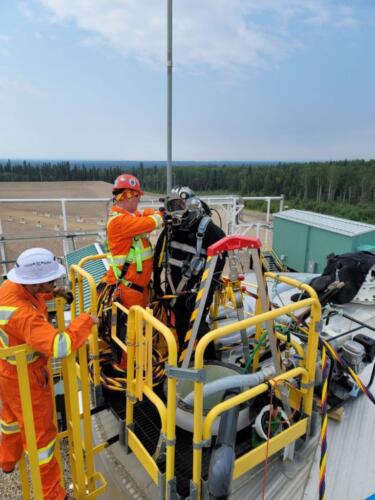
Clean water needs regular care. A water reservoir holds water for homes, schools, hospitals, farms, and local business sites. If the tank or reservoir has cracks, dirt, sediment, algae, or blocked parts, water quality and safety face risk. This is why Potable Water Reservoir Inspection Services BC matter for cities, utilities, and facility owners. Ven-Tech Subsea supports marine, offshore, and industrial underwater projects with commercial diving and ROV inspection work. For water reservoirs, skilled teams help check the condition of underwater spaces while keeping safety, access, and project planning clear.
Why Reservoir Inspection Matters
A water reservoir works every day. Most people never see inside one. Over time, small issues start under the surface. Sediment builds up. Coatings wear down. Concrete cracks. Steel parts rust. Pipes collect debris. Screens and valves need checking. Regular inspection helps you find these signs early. Early action saves money. A small repair costs less than a full shutdown or major water issue. Reservoir inspection also supports public health. Potable water must stay clean. Any place where dirt, biofilm, or broken material collects needs attention. A trained underwater team checks these areas with care.
What Inspectors Look For Inside a Reservoir
A good inspection follows a clear process. The team checks the structure, water contact surfaces, and important parts. This includes:
Walls and Floor
Inspectors look for cracks, chips, leaks, spalling, and coating wear. These signs show where water or pressure has affected the surface.
Sediment and Debris
Sediment collects at the bottom. Leaves, sand, grit, and small material settle over time. Too much buildup affects storage space and water quality.
Pipes, Valves, and Screens
Inlet and outlet pipes need clear flow. Blocked screens or damaged fittings create service issues. A diver or ROV checks these parts up close.
Ladders, Hatches, and Safety Parts
Access points matter. Loose bolts, rusted ladders, broken covers, and unsafe entry points raise risk for workers and operators.
Commercial Divers and ROVs in Reservoir Work
Some reservoirs need divers. Some suit ROV work. Many projects use both. Commercial divers enter the water with safety gear and follow strict site rules. They inspect, record, and clean selected areas. They also support light repair work where approved. ROVs are small underwater vehicles with cameras and lights. They help inspect tight, deep, or low-access areas. ROVs also reduce the need for entry in some cases. For many BC sites, this approach helps keep downtime low. Operators get photo or video proof. They also get a clearer view of the reservoir condition.
When You Need Water Reservoir Cleaning and Inspection Vancouver
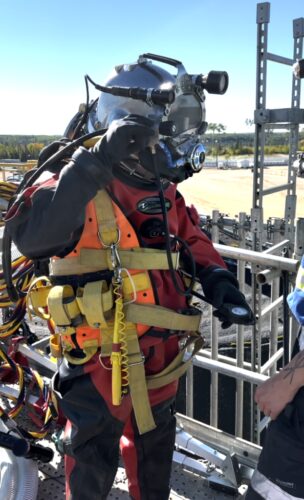
Vancouver and nearby areas rely on clean water systems for homes, public buildings, and commercial sites. A planned service schedule keeps those systems easier to manage. Mid-cycle checks also help after storms, construction nearby, or water quality changes. If you manage a tank, reservoir, or industrial water asset, Water Reservoir Cleaning and Inspection Vancouver supports better planning. The process helps your team see what sits below the waterline before problems grow. You should book an inspection when you notice: Water taste or smell changes Higher sediment levels Lower flow from outlets Known cracks or coating age Past inspection gaps Upcoming maintenance work New compliance or reporting needs A clear report helps you decide what to clean, repair, or watch next.
How the Inspection Process Works
A reservoir inspection should feel simple for your team. The provider handles planning, safety checks, equipment, and reporting.
-
Site Review
The team reviews reservoir type, size, access, water depth, past records, and project goals. This helps plan gear and crew needs.
-
Safety Planning
Water sites need strong safety control. The crew checks entry points, confined space risks, water conditions, and emergency steps.
-
Underwater Inspection
Divers or ROVs check the required areas. Cameras capture images and video. The crew notes damage, buildup, and other signs.
-
Cleaning Support
If cleaning forms part of the scope, trained workers remove sediment or debris from selected areas. The method depends on site needs and water system rules.
-
Report and Next Steps
You receive clear findings. A useful report lists the issue, location, severity, and suggested action. Photos and video make the result easier to review.
Why Choose a Professional Underwater Team
Reservoir work needs more than a camera. You need trained people who understand water assets, diving safety, and inspection detail. Ven-Tech Subsea provides commercial diving and ROV inspection services for marine, offshore, and industrial underwater projects. This background helps with complex water environments where access, safety, and clear reporting matter. A professional team helps you: Reduce unplanned shutdowns Protect water quality Track asset condition Plan cleaning work Support repair decisions Keep records for managers and stakeholders Poor inspection leads to missed issues. Good inspection gives your team useful proof.
Reservoir Inspection Frequency
Every site has different needs. Age, use, water source, material, location, and past issues affect timing. Many owners set inspection cycles based on risk and local rules. A newer reservoir with clean records might need less frequent review. An older site, high-use tank, or reservoir with sediment issues needs more attention. After heavy rain, nearby works, flooding, or water quality complaints, a fresh check makes sense. Your inspection plan should match site risk, not a guess.
What Makes a Good Reservoir Report
A report should be easy to read. You should not need technical training to understand the main points. A good report includes: Site name and inspection date Areas checked Photos or video notes Sediment condition Structural findings Pipe and fitting condition Safety concerns Clear next steps This helps your team make fast decisions. A report with vague wording creates delay. Clear findings save time.
Practical Tips Before Booking Service
Before you book reservoir inspection, collect basic site details. This helps the provider prepare. Have these items ready: Reservoir size and depth Access point details Past inspection reports Water use type Known issues Site rules Preferred timing Ask for the inspection method. Ask whether divers, ROVs, or both suit your site. Ask what the final report includes. Good answers help you choose the right scope.
Summary
Potable water reservoirs need regular inspection to protect water quality and asset life. Underwater checks help find cracks, coating wear, sediment, blocked parts, and safety issues. Commercial divers and ROVs make the work safer, cleaner, and more accurate. Ven-Tech Subsea supports these needs with professional underwater inspection services for marine, offshore, and industrial projects. With the right plan, your team gets clear findings and better control over future maintenance.
FAQs
What is a potable water reservoir inspection?
Potable water reservoir inspection checks the inside and outside condition of a water storage asset. The team looks for sediment, cracks, coating wear, pipe issues, and other risks linked to water quality.
Do I need divers or an ROV for reservoir inspection?
Your site decides the best method. Divers suit hands-on checks and selected cleaning tasks. ROVs suit visual checks in deep, tight, or hard-to-reach areas.
How often should a water reservoir be inspected?
Inspection timing depends on age, condition, use, and local needs. Older reservoirs or sites with past issues need checks more often than newer systems with clean records.
