

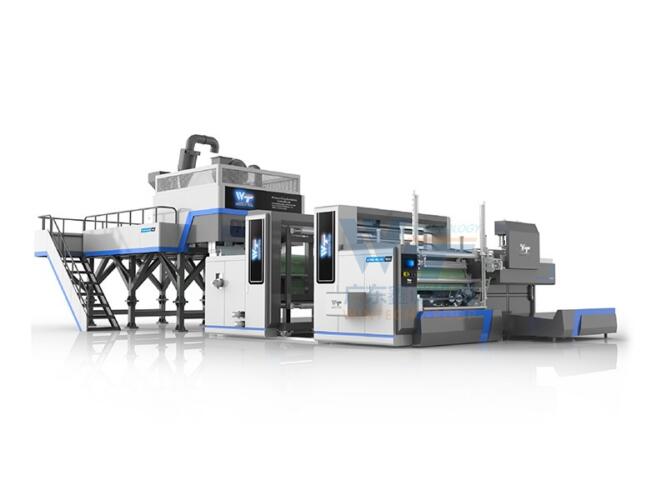
Investing in a cast film machine is a long-term commitment that goes well beyond the initial purchase price. The machine you choose will shape your production capacity, your product quality, your operating costs, and your ability to serve different markets for many years. That is why this decision deserves thorough research and careful evaluation rather than a quick comparison of quotes. This article covers everything serious buyers need to think through before placing an order.
Total Cost of Ownership vs Purchase Price
The most common mistake buyers make when evaluating a cast film machine is focusing exclusively on the purchase price. The actual cost of owning and operating a machine over five or ten years is substantially higher than the acquisition cost alone. Energy consumption, consumable parts, maintenance labor, and downtime-related losses all contribute to the total cost picture.
A machine that costs more upfront but consumes less energy per kilogram of film, requires fewer consumable parts, and runs with minimal unplanned downtime will often be cheaper to own over five years than a less expensive machine with higher ongoing costs. Always ask manufacturers for energy consumption data and expected maintenance schedules so you can compare total cost of ownership rather than just the sticker price.
Matching Machine Capacity to Market Demand
It is tempting to purchase the largest and most capable machine available, but oversizing your capacity is a genuine risk. A cast film extrusion line running at 30 percent of its capacity is inefficient in terms of energy use per kilogram of output and often produces less consistent film quality than the same machine running at 80 to 90 percent of capacity.
Start with a realistic assessment of your current orders and a conservative growth projection. Build in enough headroom for growth, but avoid purchasing capacity you cannot realistically fill within two to three years. If your market grows faster than expected, you can always add capacity. If it grows more slowly, you will appreciate having chosen a well-matched machine rather than one that sits idle.
Evaluating Co-Extrusion Capability
The decision between single-layer and multi-layer co-extrusion capability is one of the most consequential choices in the buying process. Single-layer lines are simpler and lower in cost but are limited in the film performance they can achieve. Multi-layer cast film machine configurations give you the ability to produce films with superior mechanical properties, better optical quality, and greater design flexibility.
If your target market currently requires only standard single-layer film but you see a realistic path to premium markets within three to five years, it may make sense to invest in a co-extrusion configuration from the start. Retrofitting a single-layer machine with co-extrusion capability is technically complex and often more expensive than choosing the right configuration at the outset.
CPP Film vs Stretch Film: Different Lines for Different Products
Cast polypropylene and polyethylene stretch film are both produced on casting lines, but they require different machine configurations. CPP lines operate at different temperatures and often require different die head geometry and casting roll specifications compared to PE stretch film lines. Therefore, if you intend to produce both film types, either two separate lines or a highly flexible configuration specifically engineered for both materials is necessary.
Supplier Credibility and Technical Support
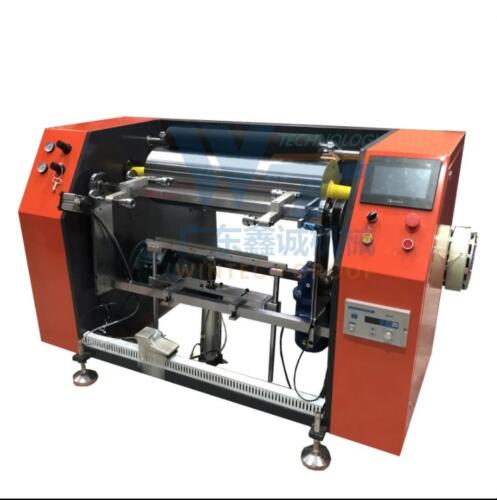
The credibility of the machine supplier matters enormously. A supplier with a strong track record in research, development, and after-sales support is a far safer choice than an unfamiliar name offering a significantly lower price. Ask for references from existing customers running similar equipment in comparable production environments.
Furthermore, confirm the supplier’s commitment to after-sales support in practical terms. A reliable cast film extrusion line supplier should be able to provide remote technical assistance, supply common spare parts with short lead times, and offer on-site support when necessary. Wintech Plastic Machinery has built its reputation as a professional manufacturer focused on research, development, and production of high-quality plastic film machinery, serving customers across multiple markets with full production line solutions.
Factory Acceptance Testing
Before your machine ships, insist on a factory acceptance test. This is a formal process where the machine is assembled and run at the manufacturer’s facility under conditions that simulate your production requirements. You or your technical representative witness the test and confirm that the machine meets the agreed specifications before it is shipped.
Factory acceptance testing catches problems before the machine leaves the manufacturer’s facility, which is far less costly and disruptive than discovering those problems after installation in your own plant. It is a standard practice in capital equipment procurement and any reputable manufacturer will accommodate this request.
Conclusion
A cast film machine investment demands the same analytical rigor as any major capital decision. Look beyond the purchase price to total cost of ownership, match capacity to realistic demand, evaluate co-extrusion options in light of your market strategy, verify supplier credibility, and insist on factory acceptance testing. Each of these steps reduces risk and increases the probability that your investment delivers the production performance and profitability you are counting on.
